Skip to content
Entrex Entrex
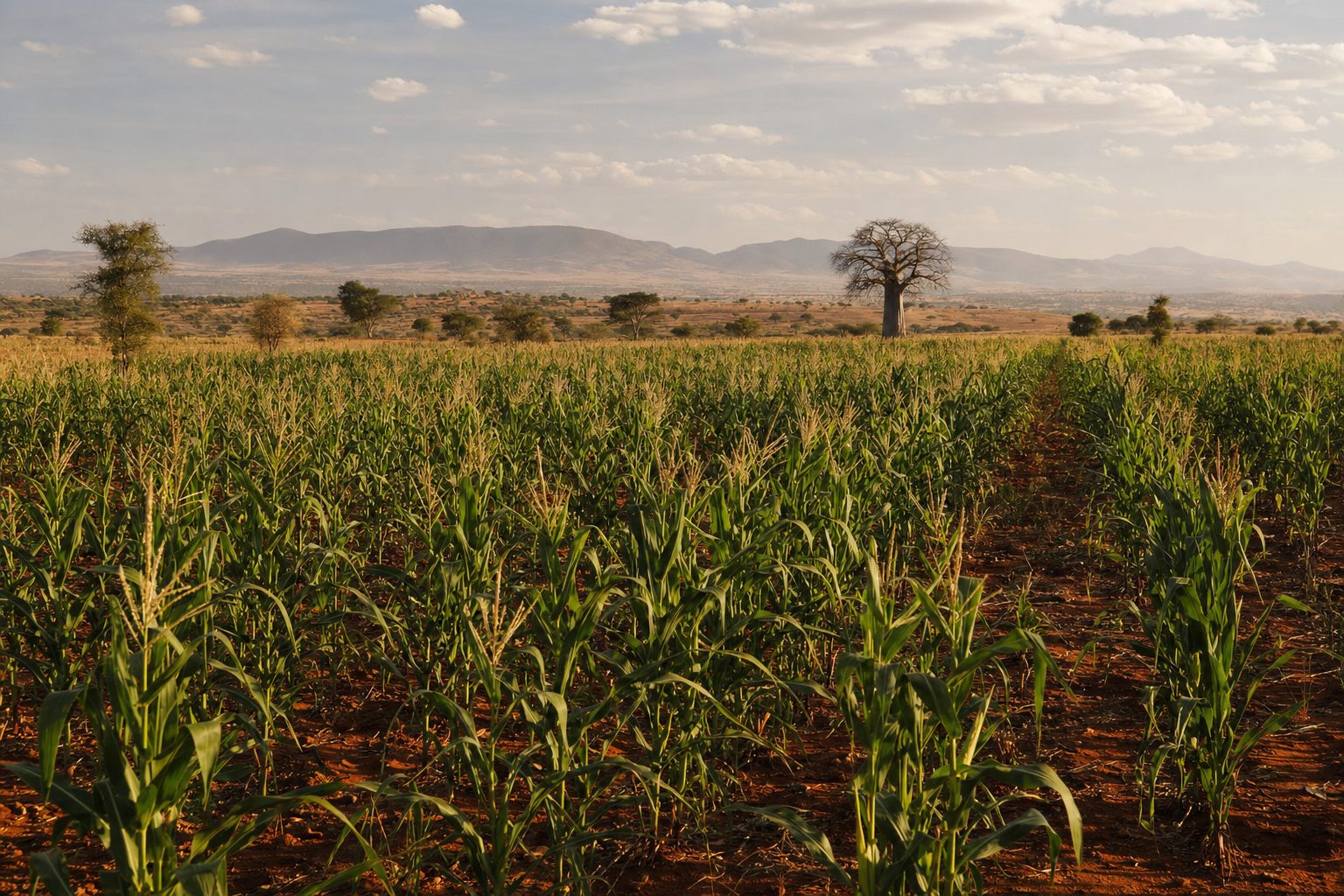
Rainfed maize field on the semi-arid plateau of central Tanzania, with a baobab on the horizon

Changamka · Chemba District · Dodoma Region · Tanzania

Farming built to last generations

Kilimo kilichojengwa kudumu vizazi

Entrex Limited Company is developing Changamka Farm into a modern, rainfed production and research farm — maize and sunflower at scale, tested cropping techniques, and machinery services for the farmers around us.

Entrex Limited Company inaendeleza Shamba la Changamka kuwa shamba la kisasa la uzalishaji na utafiti linalotegemea mvua — mahindi na alizeti kwa kiwango kikubwa, mbinu za kilimo zilizojaribiwa, na huduma za mitambo kwa wakulima wanaotuzunguka.

150 000 kg
Maize, base target first season
Mahindi, lengo la msingi msimu wa kwanza
35 000 kg
Sunflower, base target first season
Alizeti, lengo la msingi msimu wa kwanza
4
Year rotation, four blocks in parallel
Mzunguko wa miaka, vitalu vinne kwa wakati mmoja
1–5
Acre trial plots for on-farm research
Ekari za politi za majaribio shambani
1 350 m
Altitude above sea level
Mita juu ya usawa wa bahari

01 — Who we areSisi ni nani

A company registered in Tanzania, run as a family project across three generations

Kampuni iliyosajiliwa Tanzania, inayoendeshwa kama mradi wa familia kwa vizazi vitatu

Entrex Limited Company was incorporated in Tanzania to build one thing properly: a productive, well-documented farm in a semi-arid district where most land is still worked by hand. Our shareholders bring water engineering, agronomy, production engineering and manufacturing management to the same table — with an age span of more than three decades between the oldest and the youngest.

Entrex Limited Company ilisajiliwa Tanzania kwa lengo moja: kujenga shamba lenye tija na kumbukumbu nzuri katika wilaya kame ambapo ardhi nyingi bado inalimwa kwa mkono. Wanahisa wetu wanaunganisha ujuzi wa uhandisi wa maji, agronomia, uhandisi wa uzalishaji na uongozi wa viwanda — na tofauti ya umri ya zaidi ya miaka thelathini kati ya mkubwa na mdogo.

That is deliberate. A generational project needs both the experience to avoid old mistakes and the time horizon to let soil, machinery and people mature together.

Hilo ni kwa makusudi. Mradi wa vizazi unahitaji uzoefu wa kuepuka makosa ya zamani na pia muda mrefu ili udongo, mitambo na watu wakue pamoja.

More about the company and its people →Zaidi kuhusu kampuni na watu wake →

02 — What we doTunafanya nini

Three activities on one farm

Shughuli tatu katika shamba moja

01

Crop production

Uzalishaji wa mazao

Rainfed maize and sunflower as the commercial core, grown in a four-year rotation with cowpea and sorghum. Harvest is delivered in standard bags — 100 kg for maize, 70 kg for sunflower.

Mahindi na alizeti ya mvua ni msingi wa biashara, yanalimwa katika mzunguko wa miaka minne pamoja na kunde na mtama. Mavuno yanatolewa kwa magunia ya kawaida — kilo 100 kwa mahindi, kilo 70 kwa alizeti.

02

On-farm research

Utafiti shambani

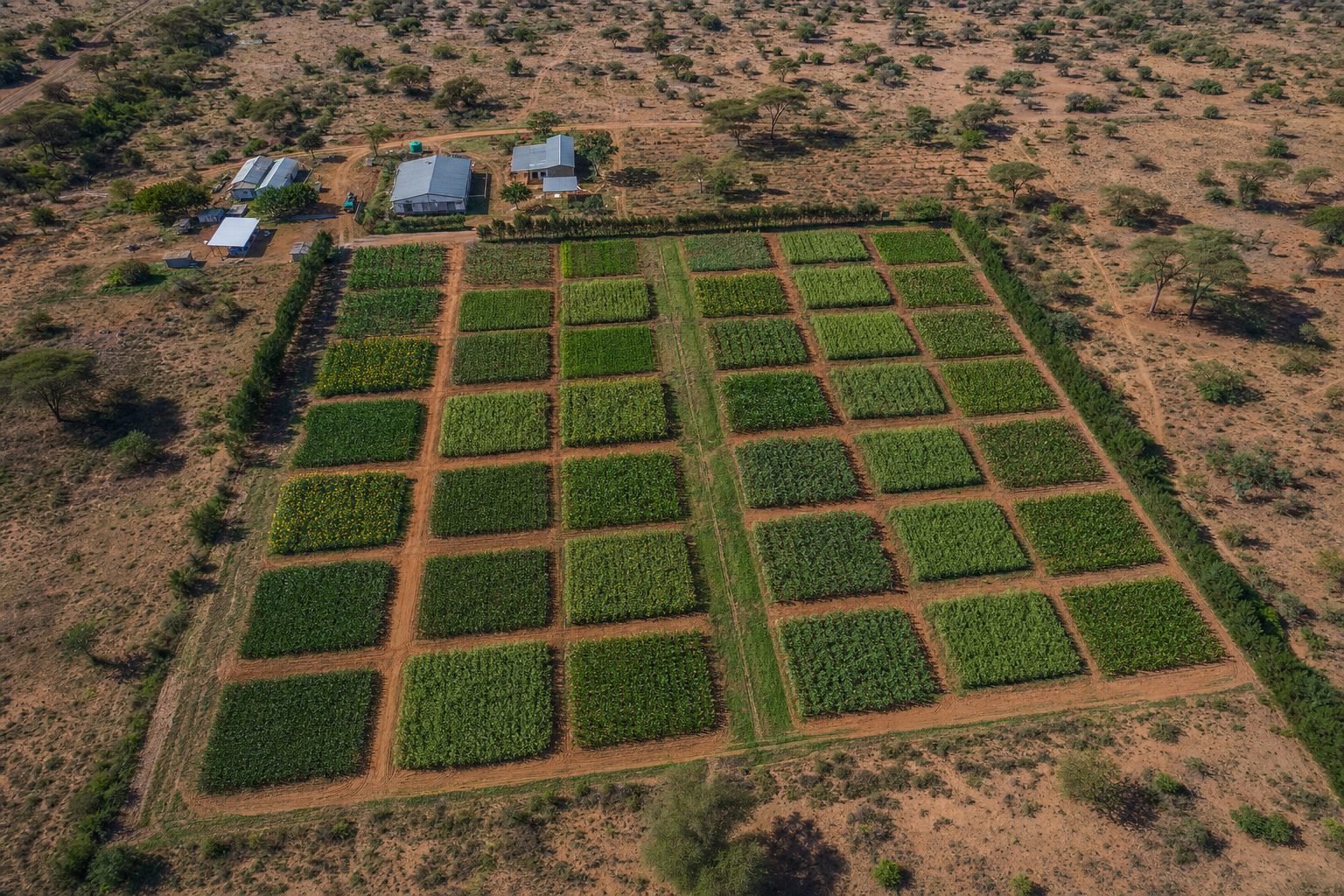
Trial plots of 1 to 5 acres compare tillage methods, varieties, spacing, mulching and rotations under real Chemba conditions — not in a laboratory.

Politi za majaribio za ekari 1 hadi 5 zinapima mbinu za kulima, mbegu, nafasi za mimea, matandazo na mizunguko katika hali halisi ya Chemba — sio maabara.

03

Machinery services

Huduma za mitambo

As the machinery fleet grows, we plan to carry out field work for neighbouring farmers — above all bush clearing with a heavy-duty rotary slasher.

Kadri mitambo yetu inaongezeka, tunakusudia kufanya kazi za shamba kwa wakulima wa jirani — hasa kufyeka vichaka kwa slasher nzito inayozunguka.

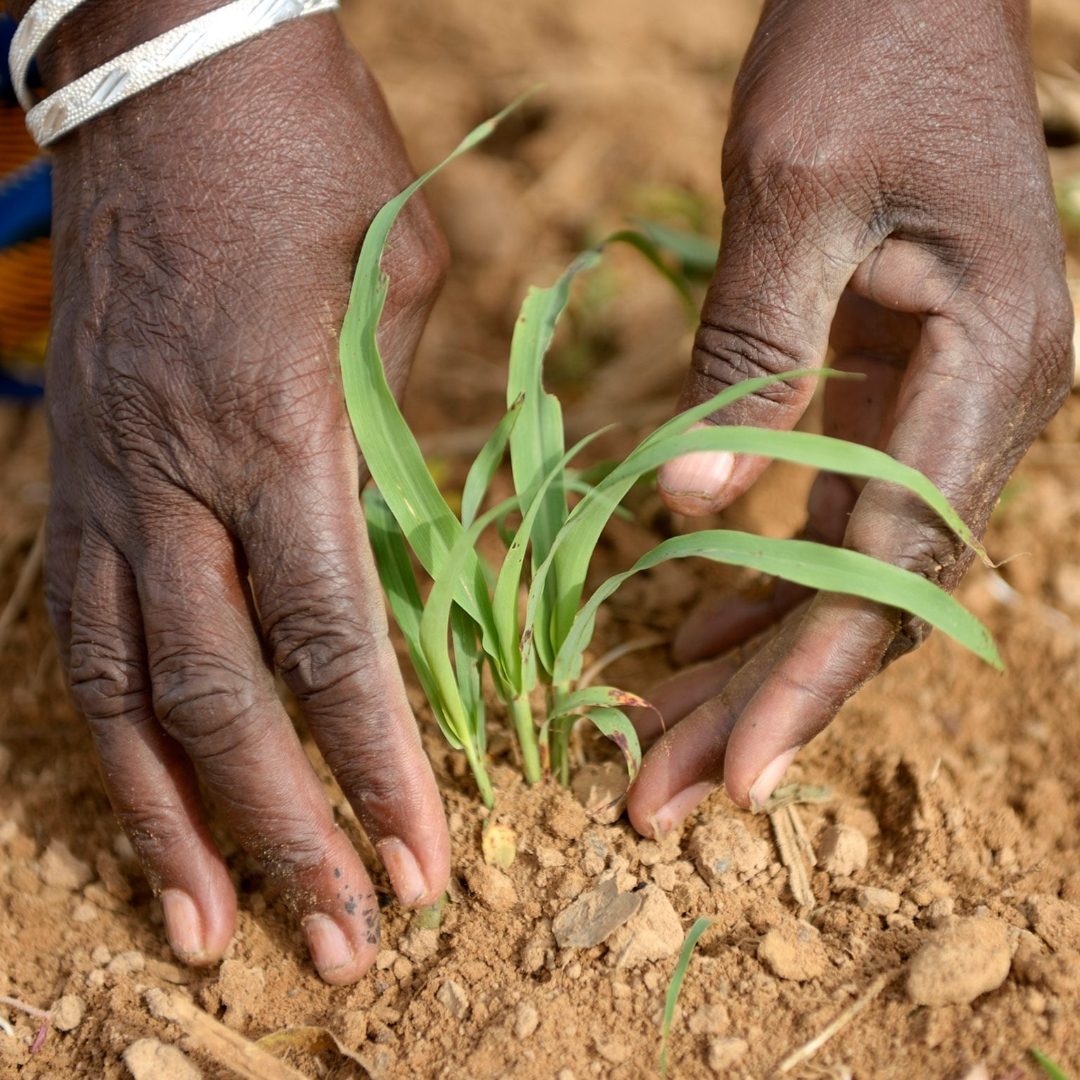
Hands planting a maize seedling into red soil
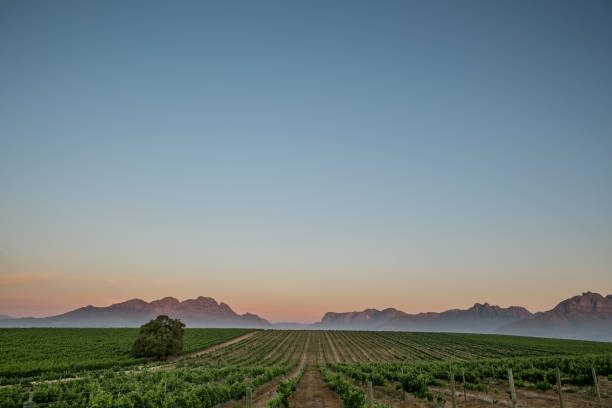
Cultivated field at dusk with hills on the horizon
Changamka lies about 60 km east of Chemba district headquarters, at 1,350–1,400 m above sea level.
Changamka ipo kama kilomita 60 mashariki ya makao makuu ya wilaya ya Chemba, mita 1,350–1,400 juu ya usawa wa bahari.

03 — The placeMahali

Changamka Farm

Shamba la Changamka

The farm sits on the semi-arid central plateau, where rain falls in a single season between November/December and April/May. Soils are grey sandy shale-derived material with mbuga clays in the lower ground, over a Cenozoic sequence of shales, quartzites, gneisses and granitic rock.

Shamba lipo katika uwanda wa kati wenye ukame, ambapo mvua hunyesha msimu mmoja kati ya Novemba/Desemba na Aprili/Mei. Udongo ni wa kichanga wa kijivu unaotokana na mawe laini, pamoja na udongo wa mbuga sehemu za chini, juu ya mfumo wa Cenozoic wa shale, quartzite, gneiss na granite.

Wind erosion in the dry season is the main threat to that soil. Mulch and permanent ground cover are therefore not a preference here — they are the basic condition for farming the site at all.

Mmomonyoko wa upepo wakati wa kiangazi ni tishio kuu kwa udongo huo. Kwa hiyo matandazo na kifuniko cha ardhi si hiari — ni sharti la msingi la kulima eneo hili.

Location, geology, soils and water →Mahali, jiolojia, udongo na maji →

04 — How we farmTunalima vipi

Less tillage, more moisture, better soil each year

Kulima kidogo, unyevu zaidi, udongo bora kila mwaka

In a district with 500–800 mm of rain in one season, every litre of water and every litre of diesel counts. Our plan moves from minimal tillage to strip-till, keeps residue on the surface, and builds a rotation that pays for itself in nitrogen and disease control.

Katika wilaya inayopata milimita 500–800 za mvua msimu mmoja, kila lita ya maji na kila lita ya dizeli ni muhimu. Mpango wetu unatoka kwenye kulima kidogo hadi kulima kwa mistari (strip-till), unaacha mabaki juu ya udongo, na unatumia mzunguko unaojirudishia gharama kwa nitrojeni na udhibiti wa magonjwa.

  • Stage I, 2026–2028: minimal tillage — DLB 12 ripper to break the plough pan, disc ploughing and harrowing, seeding without full inversion wherever the field allows.Hatua I, 2026–2028: kulima kidogo — riper DLB 12 kuvunja tabaka gumu, kulima kwa disc na kuhandika, kupanda bila kupindua udongo wote pale inapowezekana.
  • Stage II, from 2028: strip-till for maize and sunflower — only a 25–30 cm band is worked under the seed row.Hatua II, kuanzia 2028: strip-till kwa mahindi na alizeti — unalimwa upana wa sentimita 25–30 pale mbegu inapopandwa tu.
  • Four-year rotation: sunflower → maize → cowpea → sorghum, with all four crops in the field every year in separate blocks.Mzunguko wa miaka minne: alizeti → mahindi → kunde → mtama, mazao yote manne shambani kila mwaka katika vitalu tofauti.
  • Planned technical cooperation with Claydon (UK) on Opti-Till band-sowing establishment.Ushirikiano wa kiufundi uliopangwa na Claydon (Uingereza) kuhusu upandaji kwa mistari wa Opti-Till.

05 — Beyond our own fieldsZaidi ya mashamba yetu

What works here should be usable on two acres, not only on two hundred

Kinachofaa hapa kinapaswa kutumika kwa ekari mbili, sio ekari mia mbili tu

Every trial plot is deliberately small — between one and five acres — so that the result can be copied by a family farm without a tractor. We record inputs, labour hours, rainfall and yield for each plot and share the comparison in plain language.

Kila politi ya majaribio ni ndogo kwa makusudi — kati ya ekari moja na tano — ili matokeo yaweze kufuatwa na shamba la familia lisilo na trekta. Tunaandika pembejeo, saa za kazi, mvua na mavuno ya kila politi na tunashiriki matokeo kwa lugha rahisi.

Research plots, services and roadmap →Politi za utafiti, huduma na mpango wa maendeleo →

Aerial view of a grid of small crop trial plots at different growth stages

Talk to us about the 2026/27 season

Zungumza nasi kuhusu msimu wa 2026/27

Whether you are considering an investment, looking for maize or sunflower volumes, or supplying machinery and inputs — write to us or send a WhatsApp message.

Kama unafikiria kuwekeza, unatafuta mahindi au alizeti, au unauza mitambo na pembejeo — tuandikie au tutumie ujumbe wa WhatsApp.